
REVIEW · BALINESE COOKING CLASSES
Traditional Tempeh Making & Cooking Balinese Cuisine
Tempeh lessons in Bali taste better than you expect. This small-group class in Seminyak helps you make tempeh from scratch, cook classic Balinese dishes with it, then eat your work in a homey garden with Ayu and Ngurah.
I especially like two things: the hands-on tempeh making process, and the way you learn the spice logic behind Balinese Indonesian cooking as you cook.
One consideration: the schedule runs in the morning and the meal experience depends on good weather, and some dishes can include chicken and tuna unless you opt out as a vegan.
In This Review
- Key Highlights You Should Care About
- Tempeh Making and Balinese Cooking, the Morning Version
- Meet Ayu and Ngurah at Canang Sari Homestay
- The Tempeh History Lesson That Actually Connects to Food
- Making Tempeh From Scratch: What You’re Really Learning
- Balinese Spice Lessons: How Flavor Gets Built
- Sayur Urab and Tempeh Based Cooking at the Open-Air Kitchen Studio
- The Vegan Angle That’s More Than a Label
- Lunch in the Garden: Eat, Compare, and Learn the Finish
- What $39 Gets You, and Why It Can Be Good Value
- Who Should Book This Tempeh and Balinese Cuisine Class
- Private Class Option, When You Want More Attention
- Should You Book It? My Practical Verdict
- FAQ
- Where does the class start?
- What time does it run?
- How long is the experience?
- Is lunch included?
- Is the cooking class vegan friendly?
- What is included during the class?
- How big is the group?
- Can I upgrade to a private class?
- What if weather is bad?
- What is the cancellation policy?
Key Highlights You Should Care About
- Tempeh from scratch, not just tasting: You learn the full making process and why tempeh matters in Balinese cooking.
- A history lesson while you cook: You hear about tempeh’s Indonesian roots, including that it’s known since the 1600s and comes from Java.
- Balinese spice building, practical and repeatable: You use many traditional spices in real dishes, not just theory.
- Up to 10 people means real attention: With a small group, Ayu and Ngurah can correct your technique as you go.
- A garden lunch that turns into a food recap: You’ll eat seven dishes together afterward, family-style.
- Vegan-friendly, with options: You’ll prepare tempeh-based dishes like Sayur Urab, and you can skip chicken and tuna.
Other kitchens taking bookings, compared

Tempeh Making and Balinese Cooking, the Morning Version
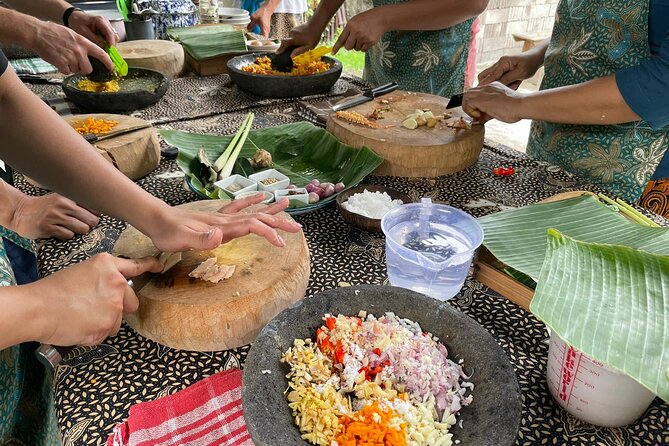
If you’ve ever watched a cooking class where everyone stands back, takes photos, and leaves unchanged, this is the opposite. Here, you start with tempeh and build your meal around it. That matters, because tempeh is not a trendy substitute. It’s a long-standing Indonesian staple, and it shows up all over cooking in Bali.
The class runs about three hours, starting at 9:30 am and finishing around 12:30 pm, with lunch included. Expect a mobile ticket, tea, coffee, water, and a light snack during the class. It is also small group, with a maximum of 10 travelers, so you should get more than the usual quick check-in.
Meet Ayu and Ngurah at Canang Sari Homestay
The experience begins at Canang Sari Homestay in Denpasar Utara, near Dangin Puri Kaja. You’re not getting shuttled across the island to a warehouse classroom. This setup is more like a local home kitchen, and it shapes the whole vibe.
For you, the best part of this start location is timing. You begin in the late morning, so you’re not fighting the midday heat while chopping and mixing. You can also get your cooking “moment” early, then still have the rest of your day in Seminyak for beach time, shopping, or a lazy scooter ride.
The Tempeh History Lesson That Actually Connects to Food
Tempeh has a story, and Ayu and Ngurah bring it up as you cook. You’ll learn about where tempeh fits in Indonesian food culture, including that it’s an Indonesian original from Java and it has been known since the 1600s.
But here’s why this history piece is useful: it gives you context for the ingredient, not just trivia. When someone explains why tempeh is “for everyone,” and points out its protein and nutrient value, you understand why this ingredient keeps showing up in Balinese recipes. It also helps you appreciate what you’re making, even if you’ve never worked with tempeh before.
Making Tempeh From Scratch: What You’re Really Learning
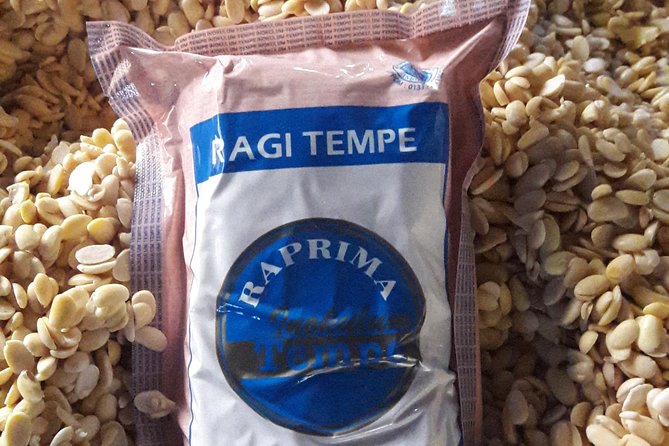
The class doesn’t treat tempeh like a magic block you just order. You’ll learn the tempeh making process from scratch, and you’ll see the key steps that turn soybeans into something ready for cooking.
Even if you’ve only had tempeh from a package, you’ll likely notice the difference in how you think about it. Store-bought tempeh is “finished food.” Homemade tempeh becomes a cooking ingredient with a process behind it. That matters because it changes how you cook: you tend to respect the flavor base and treat your dishes as a balance of spice, texture, and seasoning.
One detail worth noting from the experience feedback: the hosts provide guidance on how to make tempeh at home. If you want to bring this class home with you, this is a big deal. It turns your memory into a repeatable skill, not just an edible souvenir.
- Bali Full-Day Traditional Village Sightseeing Trip All Inclusive★ 5.0 · 3,069 reviews
- Experts Bali Driver : Best Bali Private Driver for Tour in Bali★ 5.0 · 1,339 reviews
- Bali Hai Sunset Dinner Cruise★ 5.0 · 1,173 reviews
- Mount Batur Sunrise Trekking★ 5.0 · 947 reviews
- Private Arrival Transfer: Bali Airport to Hotel★ 4.5 · 739 reviews
Balinese Spice Lessons: How Flavor Gets Built
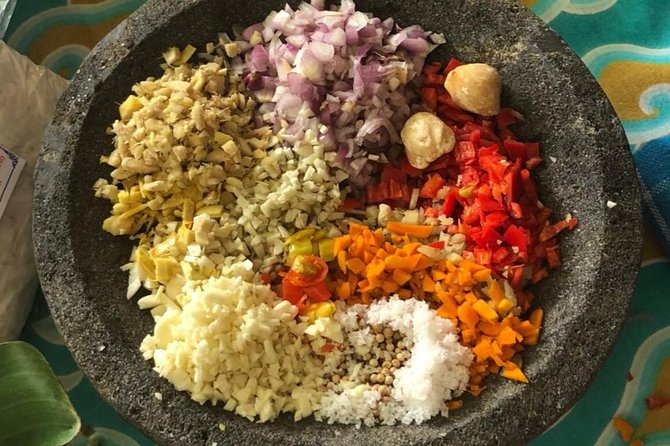
You’ll also learn about the wide range of spices used in Indonesian cooking, with a focus on Balinese Indonesian recipes. This is the part you can translate into your own kitchen later.
Instead of being vague about spice blends, the class ties spices to dishes you’re actively preparing. That’s what makes it practical. You don’t just learn what goes in. You learn how it behaves in cooking and how it supports the main ingredient, especially tempeh.
If you’re the kind of cook who tastes and adjusts, you’ll enjoy this. Balinese cooking is built on seasoning layers. And since the class teaches you while you work, you get a feel for how much to use and when to add.
Sayur Urab and Tempeh Based Cooking at the Open-Air Kitchen Studio
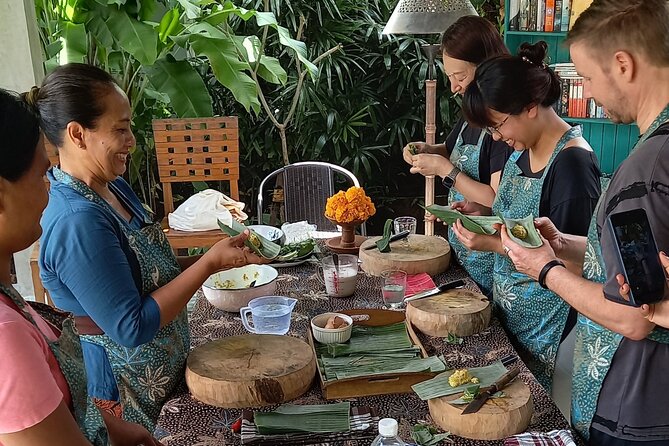
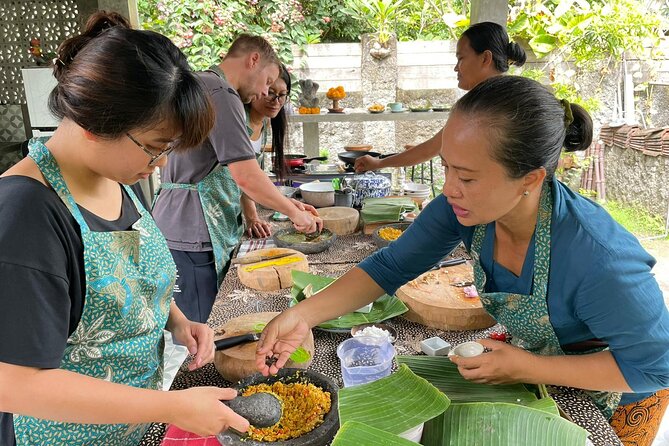
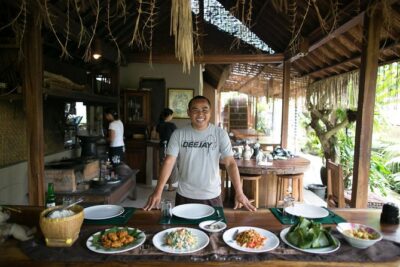
After the tempeh focus, you shift into cooking. The class uses an open-air kitchen studio, which is a nice change from windowless cooking rooms. It keeps things ventilated, and it also fits the overall homey feel.
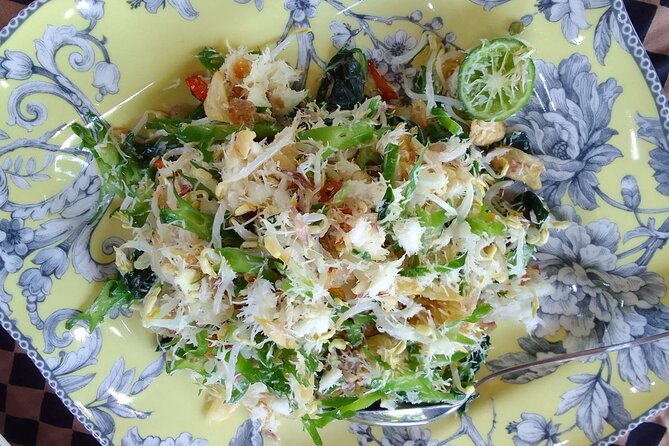
You’ll make dishes that center tempeh, including Sayur Urab, a vegetable dish made with greens and beans mixed with grilled grated coconut. This dish is a great example of why you’ll remember the class. It’s plant-based, it’s deeply Balinese, and it shows how coconut and spice create body and richness without meat.
Then you’ll add other local recipes using tempeh. The menu can include chicken and tuna, but you can skip those if you are vegan. For you, this means you can go in with clear expectations: tempeh and vegetable dishes should be your foundation, and protein add-ons depend on your preferences.
One very practical takeaway: you’ll be cooking “from scratch,” using fresh plant-based ingredients. Even if you’re not copying the recipes exactly later, you’ll leave with a better sense of proportions and technique.
The Vegan Angle That’s More Than a Label
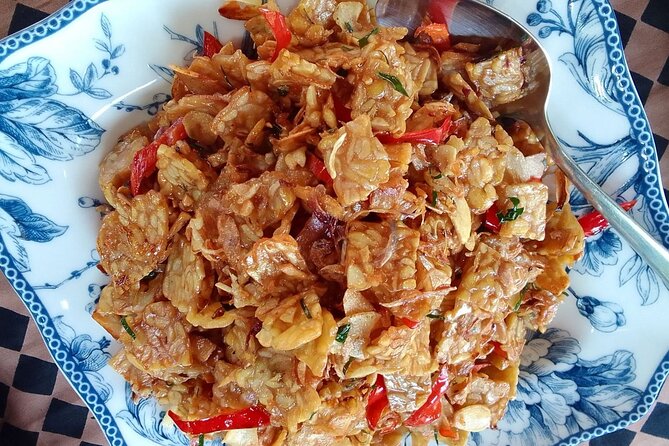
This class is described as vegan friendly. In practice, that means you can build your meal around tempeh and plant-based dishes like Sayur Urab, and you can skip chicken and tuna.
If you’re vegan, here’s how to make the experience work for you: arrive with a simple plan in mind. You want tempeh dishes and vegetable plates, and you want to confirm that any protein add-ons are left out. The hosts are doing the cooking with you, so communication is straightforward. And because the group is small, it’s easier to get direct answers during the class.
If you are not vegan, you still might like the balance of the meal. Tempeh brings protein and texture, while spices and coconut bring the flavor depth. The result is a lunch that feels complete, not like a side dish “with no meat.”
Lunch in the Garden: Eat, Compare, and Learn the Finish
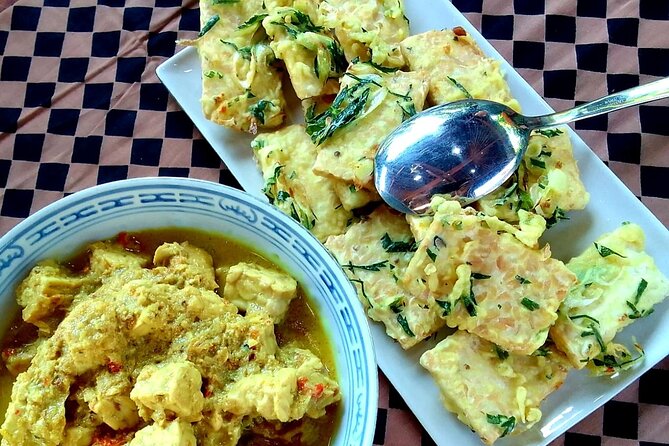
The best part of a cooking class is often the last part: eating. Here, you enjoy what you made in the garden of a cozy local home with a family-style atmosphere.
The experience includes lunch built from seven dishes. That’s a lot of food for a half-day class, and it’s one of the reasons I think the value is strong. You are not just tasting one bite and then leaving hungry. You get a full set of plates, and you can compare flavors across the dishes you cooked.
Also, you’ll be in a more relaxed setting than a restaurant meal. That helps you pay attention. You notice how Sayur Urab balances coconut and greens, and you understand how the tempeh dishes take spice differently.
One thing to keep in mind: this part depends on good weather. If conditions are poor, the activity can be canceled and you’ll be offered a different date or a full refund. In other words, don’t book this as your one fixed, unchangeable morning.
What $39 Gets You, and Why It Can Be Good Value
At $39 per person for about three hours, this class has a price that feels reasonable for Bali cooking. But the real value comes from what’s included.
You’re not paying only for a meal. You’re paying for:
- Tempeh making from scratch, with a host-led process and a home-making guide.
- Cooking time where you work with fresh ingredients and spices.
- Lunch that includes tea, coffee, water, and light snacks during the class, plus a seven-dish meal afterward.
- A small group size, maximum 10, which means you’re more likely to get hands-on coaching.
If you’ve done cooking classes before that feel like a demo with a worksheet, this one is closer to “learn a skill, then eat a feast.” For $39, that is a strong bargain if you want something authentic rather than a tourist-only template.
Who Should Book This Tempeh and Balinese Cuisine Class
This is a great fit if you:
- Want a Balinese cooking class centered on a real ingredient, not just a generic “stir-fry day.”
- Like plant-based food and want to understand tempeh beyond store packaging.
- Prefer small-group experiences where the host can correct your steps.
- Want a morning activity in Bali that ends with a real lunch.
You might skip it if:
- You prefer very long, slow meals or want a full day cooking trip rather than a morning class.
- You are sensitive to weather disruptions and need a guaranteed outdoor meal no matter what.
Private Class Option, When You Want More Attention
There is a private group option available upon request. If you’re traveling with family, cooking with friends, or you simply want maximum personal time, a private class can make sense.
In a private setup, you can usually move faster for the parts you want and slow down where you have questions. You can also tailor how strictly the meal stays vegan, based on your preferences.
Should You Book It? My Practical Verdict
Yes, you should book this class if you want a genuinely focused tempeh and Balinese cooking morning, with lots of hands-on time and a proper garden lunch. The biggest reasons are the small group setup and the fact that you learn tempeh making from scratch, with help that can carry into your home kitchen. Add in Sayur Urab and a seven-dish lunch, and $39 starts to look like a fair deal.
Book it sooner rather than later if you can. The class is typically booked around 24 days in advance on average, and it has a max of 10 travelers. Also, keep an eye on the weather forecast for the morning you choose, since the experience needs good conditions.
FAQ
Where does the class start?
It starts at Canang Sari Homestay in Denpasar Utara, near Gg. Kaswari No.6, Bali 80234, Indonesia.
What time does it run?
The class starts at 9:30 am and finishes around 12:30 pm, with lunch included.
How long is the experience?
It lasts about 3 hours.
Is lunch included?
Yes. You’ll cook and then enjoy your Balinese lunch, described as seven dishes.
Is the cooking class vegan friendly?
Yes, it’s listed as vegan friendly. The class also mentions that you can skip chicken and tuna if you are vegan.
What is included during the class?
Tea, coffee, water, and a light snack are provided during the class.
How big is the group?
The group size is limited to a maximum of 10 travelers.
Can I upgrade to a private class?
A private group option is available upon request.
What if weather is bad?
This experience requires good weather. If it’s canceled due to poor weather, you’ll be offered a different date or a full refund.
What is the cancellation policy?
You can cancel for free up to 24 hours in advance of the experience start time for a full refund.
More Kitchens Taking Bookings
Fresh Seminyak write-ups from the review desk





Balinese Cooking Classes, compared.
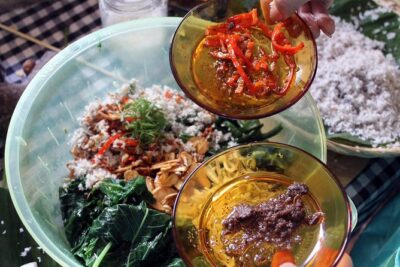 ★ 5.0PRIVATE Authentic Balinese Cooking Class in Ubud at Putu’s HomeFrom $75644 reviews
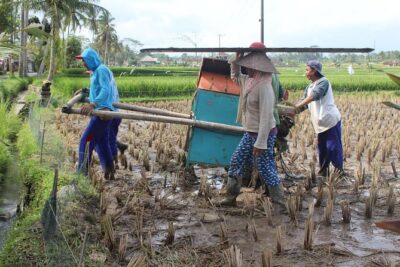 ★ 5.0Balinese Ubud cooking school (9 Dish Cooking and Market Tour)From $58540 reviews
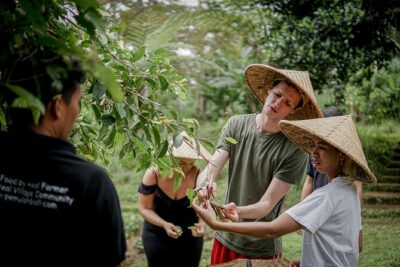 ★ 5.0Balinese Farm Cooking Class by Pemulan BaliFrom $39410 reviews
 ★ 5.0Learn to cook Indonesian food at Gili Cooking Classes TrawanganFrom $33352 reviews
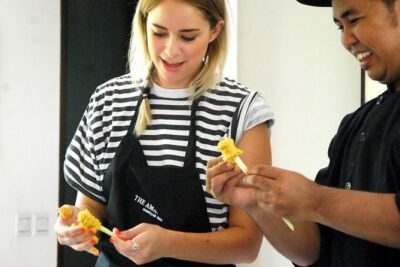 ★ 5.0Balinese Cooking Class in SeminyakFrom $66281 reviews
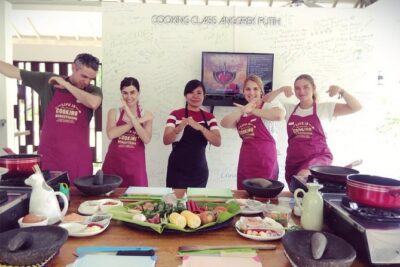 ★ 5.0Anggrek Putih Lombok Cooking ClassFrom $30253 reviews
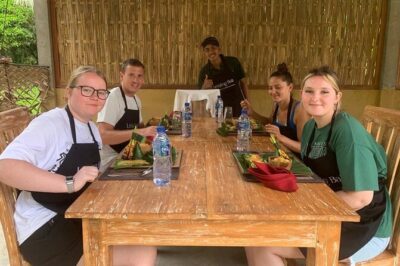 ★ 5.0Balinese Authentic Cooking Class in UbudFrom $39239 reviews
 ★ 5.0PRIVATE Balinese Cooking Class in Ubud with Dewa with TransfersFrom $69213 reviews
Browse the lists this tour appears in