
REVIEW · MARKETS
Ubud Night Traditional Market Food Tour
Night markets in Ubud are a live class. This Ubud Night Traditional Market Food Tour turns the chaos of a night market into an orderly, tasty plan, with your guide leading the way and helping you figure out what to order.
I especially like the focus on real Balinese food, including the tour’s traditional megibung style bites, not just generic street snacks. I also like that your guide asks about preferences, including spice level, so you can eat confidently. The main drawback to consider is that street-food hygiene standards can feel different from what you expect at home, and one food-safety concern came up.
If you want a simple way to eat like you know what you’re doing, this is a smart hit. The tour runs small, around 3 hours, and most of the work is done for you.
In This Review
- Key highlights worth your time
- Why Ubud night markets feel different after dark
- Price and value: what $45 buys you in real terms
- Meeting at 6:00 pm, pickup, and how the small group matters
- Opening tastings: Balinese cakes and the megibung food vibe
- Market walking with real culture, not just shopping eyes
- The food and drink stops where guides steer you right
- Spice level, preferences, and how to ask smart questions
- Street-food reality check: what to watch for at night
- Who this tour suits best, and who should skip it
- The bottom line: should you book this night market food tour?
- FAQ
- How long is the Ubud Night Traditional Market Food Tour?
- What time does the tour start?
- How much does the tour cost?
- Is pickup included?
- What is included in the price?
- Do I get help figuring out what to order?
- Can the guide handle allergies or food preferences?
- How big is the group?
- Is there a minimum number of people to book?
- What if the weather is bad or the tour cannot run?
Key highlights worth your time
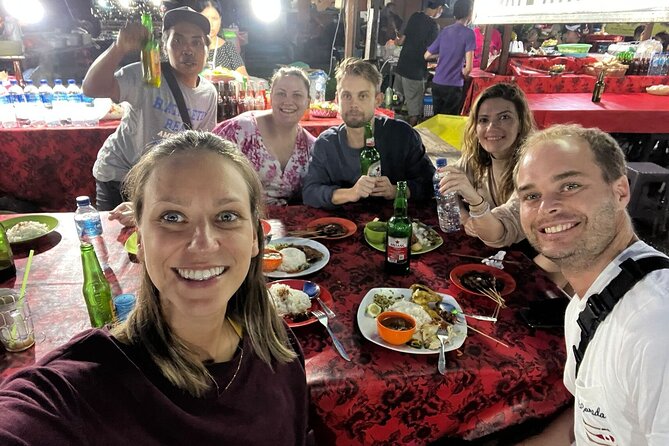
- Menu help in another language, so you are not stuck pointing at menus
- Traditional food focus, including megibung style tastings and Balinese cakes
- Small group size (max 10), which keeps the walk practical
- Guide-led market walking, including history and practical tips while you eat
- Spice and preference check, so you get food you will actually enjoy
- Food and drinks included, so the bill stays predictable
Not decided yet? These Ubud trips held up when we went through them.




Why Ubud night markets feel different after dark
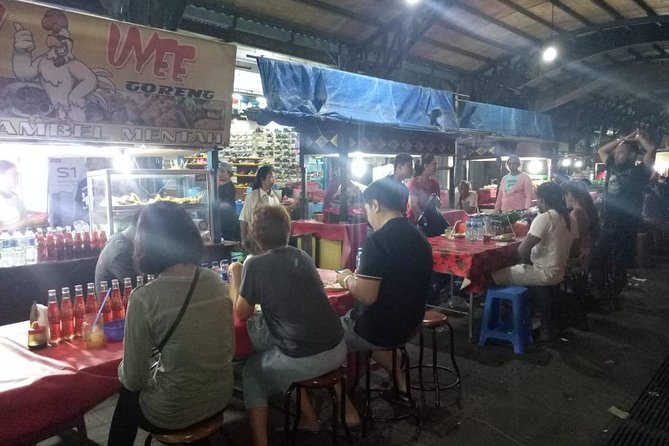
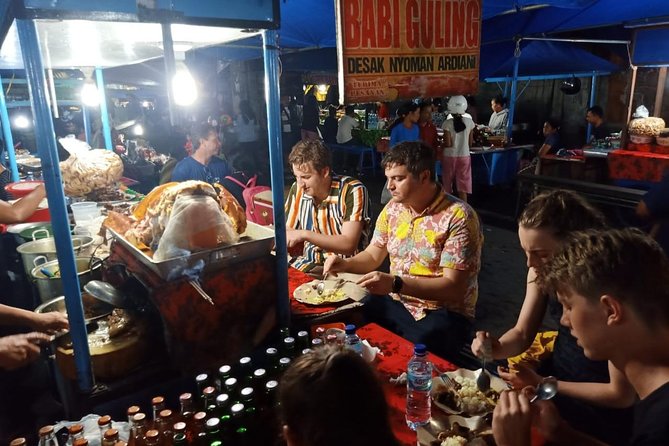
Ubud night markets can be a sensory overload in the best way. Lights pop on stalls, grills hiss, and you hear a mix of languages, bargaining, and the rhythmic clatter of everyday commerce. The hard part is that night markets do not come with a user manual.
That is where this tour earns its keep. You start with a guide who helps you read the scene, not just wander through it. You get a human translator for food: what things are, how they are usually eaten, and what to choose if you like mild or you can handle serious heat. One of the biggest wins here is that the guide stays in charge of navigation, so you can spend your energy on tasting instead of second-guessing.
Also, Ubud is full of restaurants, but traditional Balinese food can be harder to spot if you are relying on signs and menus alone. This tour is built around the idea that the most authentic bites show up where locals already go, especially at night.
Price and value: what $45 buys you in real terms
The price is $45 per person for about 3 hours, and that is not just a walking tour. The tour includes meals and drinks during the experience, plus an air-conditioned vehicle and all fees and taxes.
For budgeting, this matters because night markets are easy to underestimate. You can walk in thinking you will just snack, then suddenly you are paying for multiple drinks and several full orders. Here, the structure nudges you into an organized sequence of tastings, so you get more total food value for one set price.
One more value point: your guide handles the parts that often cost time. Menu confusion is real, and so is figuring out what is worth eating right now versus later. When someone helps you order, the tour becomes more about eating and less about logistics.
If you like trying a variety of foods, this is the kind of fixed-price evening that feels fair. If you only want one or two bites and one drink, you might find it better to snack on your own.
Meeting at 6:00 pm, pickup, and how the small group matters
The tour starts at 6:00 pm, which is a great time for night-market energy. You get that sweet spot where stalls are fully working, crowds are lively, and food is coming off the heat. You are also less likely to feel rushed, since a 6:00 pm start gives you time to settle into the night before you start walking.
Pickup is offered, and the ride is air-conditioned, which helps after a hot day in Bali. Getting picked up and dropped off also reduces friction. You do not have to coordinate transport or worry about finding your way back while you are full and happy.
Group size is capped at 10 travelers, which usually leads to better pacing. You are not constantly weaving around a huge crowd, and your guide can actually answer questions about what you are eating. In a smaller group, preference-based ordering also tends to work better, because the guide can remember who likes what.
If you dislike walking with any level of crowds at all, keep that in mind. It is a market, so there will be motion, noise, and plenty of people.
Opening tastings: Balinese cakes and the megibung food vibe
Right at the start, you get a traditional foundation. The tour begins with Balinese cakes, the kind that help you get oriented before you hit the wider market. That first bite is practical. It wakes up your taste buds and gives you a reference point for what comes next.
Then the tour leans into the Balinese idea of sharing and communal eating. The experience calls out megibung style food, which is essentially about enjoying food together in a way that feels local, not staged. Even if you have never heard the term before, the structure makes it easy to understand. You are not just sampling random snacks. You are tasting food that fits into a shared culture around meals.
This opening phase also sets up the menu help. Guides often explain what you are looking at and how to order, and you get the confidence to say yes to things you might skip on your own. If you are the type who loves learning while you eat, this part is a win because you get the “what” and “why,” not just the “try this.”
- Uluwatu Sunset, Kecak Dance, and Dinner Jimbaran Beach★ 5.0 · 3,681 reviews
- Tanah Lot and North Bali Tour: Scenic Journey★ 5.0 · 3,620 reviews
- Body Massage Experience in Ubud Traditional Spa★ 5.0 · 3,506 reviews
- Best of Bali Waterfalls: Tibumana, Tukad Cepung and Tegenungan★ 5.0 · 3,047 reviews
- Bali: Ubud Kecak and Fire Dance Show Tickets★ 4.4 · 2,631 reviews
Market walking with real culture, not just shopping eyes
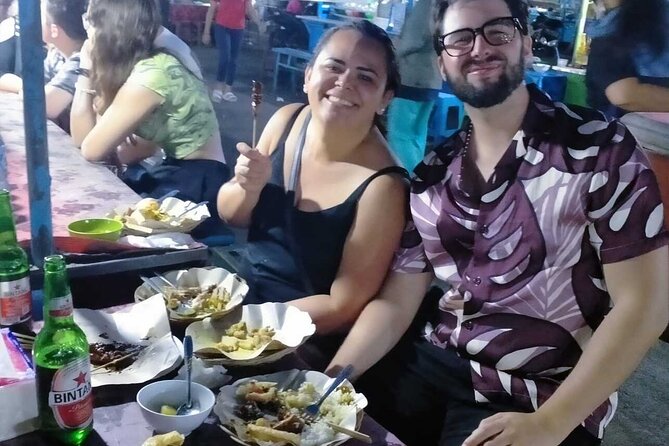
After the initial tastings, you head into a famous market area and learn the place as you walk. This is where the tour feels more than snack collecting. Your guide shares market history and points out how the space works at night.
There is also a practical component: you learn how to navigate a market where the rules are not written for tourists. Your guide leads, which means you can focus on the smells, the cooking stations, and the food decisions in front of you.
One detail that stands out is that guides often help with bargaining. If you want to buy something small or just understand the flow of negotiation, this tour gives you context. That means you are not accidentally overpaying because you missed the social rhythm of the market.
Still, keep your expectations realistic. Markets are not meant to be controlled, tidy, or quiet. You are walking through a working food scene, and the goal is to eat like locals, not like you are in a museum gift shop.
The food and drink stops where guides steer you right
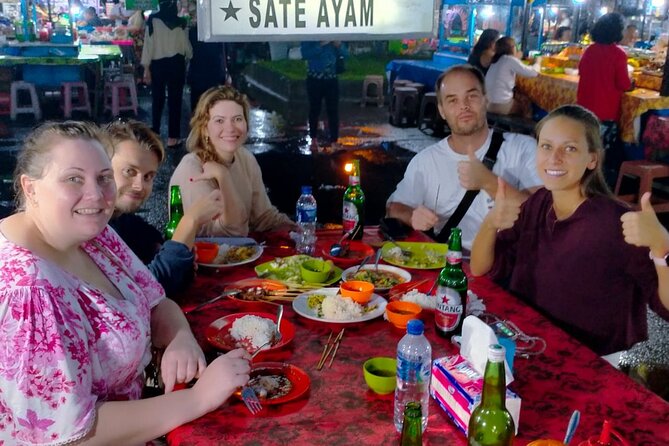
The core of the evening is the sequence of favorite places. Your guide brings you to spots they genuinely like, then you taste multiple local foods and drinks. Since all foods and drinks are included, you can try freely without doing the math every time the next dish arrives.
One of the best parts is how guides tailor choices. The tour description and the on-the-ground guidance both emphasize preference-based ordering. Guides ask how you like your food, including whether you want spicy food or prefer to ease off. That matters in Indonesia, where spice can hit hard.
You also get menu interpretation help. This is huge in Bali, where food names and ingredients are not always obvious to first-time visitors. If you see something unfamiliar, your guide can explain what it is and how it tends to taste, so you can choose without fear.
Finally, the tour is designed to go beyond Ubud’s most obvious tourist layers. You may end up in places outside the center, closer to how people actually eat after dark. The result is an evening that feels like a local routine, not a curated route for photos only.
Spice level, preferences, and how to ask smart questions
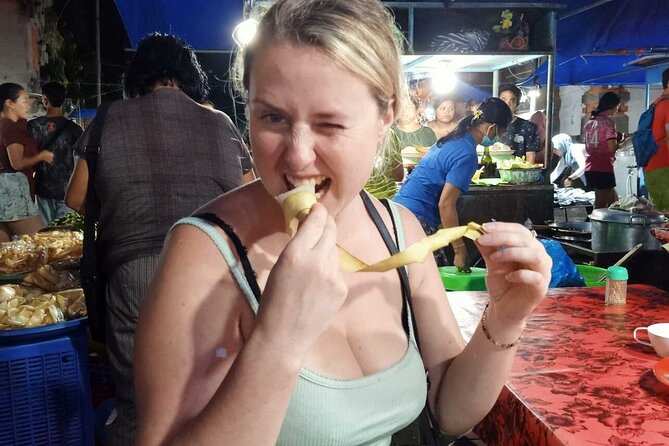
If you take one tip from this tour, make it this: tell your guide your spice comfort level early. Guides typically ask, and it changes what you get. Indonesian food can be very spicy, and even seasoned travelers can be surprised if they do not plan for it.
Also, if you have food limits, bring them up clearly. One useful pattern from the experience is that guides help cater for allergies and personal needs. You will get better results if you communicate early rather than waiting until you are halfway through eating.
When you order, do not just ask what is spicy. Ask what is sweet, what is smoky, and what is meant to be eaten with a certain drink. A good guide will translate more than just words. They translate how the flavors are supposed to work together.
And if you are curious but nervous, start with one or two items you feel safe with, then let your guide push you to the next step. That is often how you end up with the most memorable bites without feeling out of control.
Street-food reality check: what to watch for at night
Here is the practical consideration. Street food is not a sterile kitchen. Cooking happens in open setups, and hygiene practices can look different from what you expect.
One concern that came up is that food handling did not look as sanitary as some people expected, with no gloves or other protective measures seen in certain stalls. That does not automatically mean the food is unsafe. It does mean you should approach with awareness.
How to handle that, like a grown-up traveler:
- Choose items that are served hot and cooked to order.
- Watch the flow, see that food is handled minimally and served fresh.
- If you are sensitive about sanitation, tell the guide what makes you nervous. They can often suggest safer-feeling stalls or steer you toward items that are cooked in front of you.
Balinese markets are part of daily life, and locals eat there all the time. Still, your comfort matters. If you know you worry about food safety, pick smart choices and do not force yourself to eat something that makes you uneasy.
Who this tour suits best, and who should skip it
This tour is best for you if:
- You want traditional Balinese food and you want help finding it.
- You like markets but hate the guessing game of ordering without language support.
- You enjoy learning culture through food, including megibung style communal eating ideas and market history.
- You want a hassle-free plan with pickup and food and drinks included.
You might want to skip or modify the plan if:
- You are uncomfortable with crowds and moving through a working market.
- You have very strict expectations about street-food hygiene.
- You only want a small snack. The value is built around an evening of multiple tastings.
Because the group stays small and the guide is engaged, this tour also suits couples and solo travelers who want a social, guided night without the stress of finding food on your own.
The bottom line: should you book this night market food tour?
I think this is a strong booking if your goal is simple: eat authentic Balinese night market food without wasting time figuring things out. The value is solid because the tour includes dinner, drinks, and guiding, not just a walk past stalls.
The deciding factors for me are the trade-offs. You get menu help, local-led choices, and cultural context. In return, you accept that it is street food in real conditions. If that sounds good, you will likely leave satisfied and a little smarter about how Balinese food culture works after dark.
FAQ
How long is the Ubud Night Traditional Market Food Tour?
It runs for about 3 hours.
What time does the tour start?
The start time is 6:00 pm.
How much does the tour cost?
It costs $45.00 per person.
Is pickup included?
Pickup is offered, and the tour uses an air-conditioned vehicle.
What is included in the price?
Meals and drinks are included during the tour, along with air-conditioned vehicle use and all fees and taxes.
Do I get help figuring out what to order?
Yes. The guide helps you decipher menus in another language.
Can the guide handle allergies or food preferences?
The guide asks about preferences, including spice level, and can cater for allergies and other needs.
How big is the group?
The tour has a maximum of 10 travelers.
Is there a minimum number of people to book?
Yes. There must be at least two people. If one person joins, there is an additional cost of US$35.
What if the weather is bad or the tour cannot run?
The tour requires good weather. If it is canceled due to poor weather, you will be offered a different date or a full refund. The experience also requires a minimum number of travelers, and if it is canceled for that reason you will be offered a different date or a full refund. You can cancel for a full refund up to 24 hours before the start time.
Fresh Ubud write-ups from the review desk





Markets, compared.
 ★ 5.0Balinese Ubud cooking school (9 Dish Cooking and Market Tour)From $58540 reviews
 ★ 5.0Active Volcano, Rice Field, Hot Spring, Fruit market, Tea Plantation with LunchFrom $110513 reviews
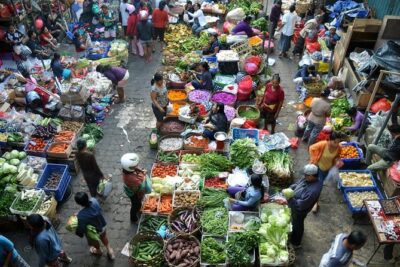 ★ 5.0Balinese Cooking class with traditional morning market visitFrom $35161 reviews
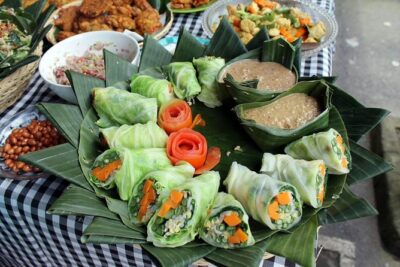 ★ 5.0PRIVATE Ubud Market Tour & Balinese Cooking Class with PutuFrom $95125 reviews
 ★ 5.0Yogyakarta Cooking Class and Market TourFrom $3599 reviews
 ★ 5.0Ubud Cooking Class with Optional Market Visit Pickup IncludedFrom $1870 reviews
 ★ 5.0Balinese Cooking Class with Traditional Market TourFrom $5866 reviews
 ★ 5.0Ubud Experience ; Swing, Waterfalls, Art Market, Rice TerraceFrom $4156 reviews
Browse the lists this tour appears in